
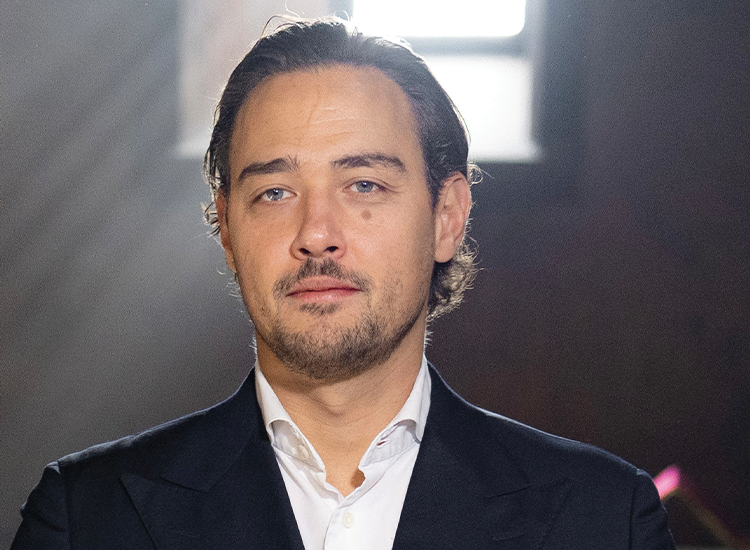
The future of security: Alfonso di Muro, CEO at Imperium Security
AI is bringing opportunity
Artificial Intelligence is filling the missing links in risk mitigation. The last three years in my organisation have shown that proactive patrol can dramatically reduce crime, with data demonstrating a 99.6% drop per road under service.
Before these measures, an average road faced 17.5 crimes each year; after deployment, this plummeted to just 0.04 – amounting to only three successful crimes per year across 30 roads while patrol officers are on shift. These are truly figures to be proud of, but they still don’t make any service bulletproof.
Experience shows that, even with diligent patrols, crimes such as vehicle theft, bicycle theft, or a smashed window can happen in seconds. With an average of just 38 seconds per crime, unless the security officer has direct eyes on, it’s nearly impossible to prevent such opportunistic acts. With AI, however, things change.
AI analytics can improve analytics in an environment, spotting suspicious actions on CCTV and triggering responses before an incident escalates. Had AI analytics been installed, all three incidents mentioned would have triggered an alert to a control room, resulting in a report to the patrol officer and a real opportunity to intervene and deter the offender.
The coming years will see security surveyors crafting the rules for AI to identify threats, and officers shifting to more dynamic, responsive roles – triaging, de-escalating, and collaborating with constantly learning AI. The future is not about replacing security personnel but working hand in hand with AI: a partnership where the virtual responder leads, but human expertise remains essential.
